AGP Executive Report
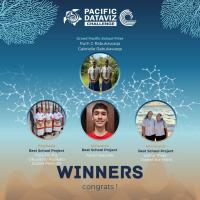
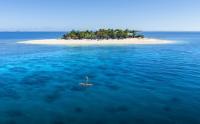
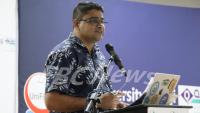
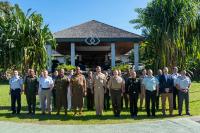
Last update: 12 minutes agoClimate Stories: Five Fijian students won Pacific Dataviz Challenge awards for visual stories on changing rainfall, rising seas and sustainable development. Fiji is also pressing for stronger action on ocean acidification, which threatens reefs, fisheries and food security. Marine Protection: A four-week Fiji–New Zealand maritime operation used wind-, wave- and solar-powered sea drones to monitor Fiji’s waters, identify vessels for scrutiny and support fisheries and environmental surveillance. Community Conservation: Naidiri village is restoring its fishery through coral planting, while the Drawa forest project’s eight landowning units protect nearly 4,000 hectares and earn income through carbon credits. Climate Preparedness: Fiji faces up to three cyclones this season, while El Niño-driven dry conditions are straining water supplies, including on Malolo Island. Tourism: Fiji’s upcoming HOTEC trade show will include a session on environmental sustainability and local supply chains.
Note: AI summary from news headlines; neutral sources weighted more to help reduce bias in the result. Feedback is welcome. Please let us know if you have any comments or suggestions about the AGP Executive Report.

 Perspectify News